
Lawsuit Claims Border Wall Will Affect Wildlife In Cochise County
With ongoing improvements to border security and the construction of the border wall through the San Rafael Valley, new concerns regarding wildlife are emerging. The Center of Biological Diversity filed a lawsuit claiming the border wall will block important migration paths and further harm endangered species such as jaguars and ocelots. As the case moves through the courts, it has sparked a broader debate over how border enforcement, environmental protection, and the future of one of Arizona’s most critical wildlife corridors can coexist.
READ: The Most Toxic Insect in the WORLD

The importance of Animal Migration
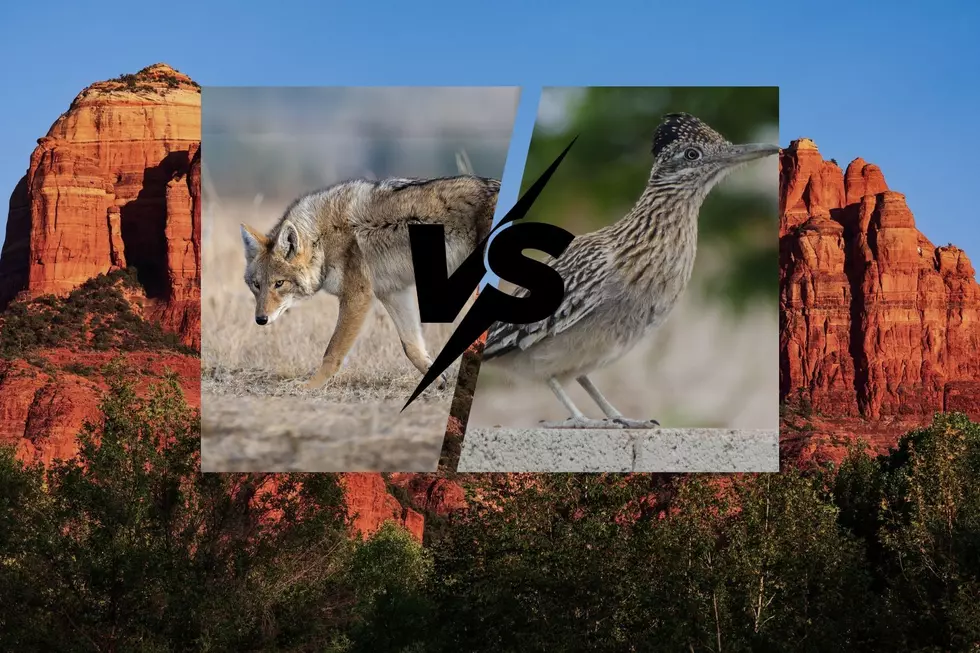
Cochise County is one of the most biodeverse regions in Arizona. The Sky Island Mountain region has some of the most diverse snake and frog populations in the world, and even has endangered species such as ocelots and jaguars roaming through the region. The San Rafael Valley provides a migration path for all sorts of animals, such as coyotes and javelina, but why is that important?

Even with biodiversity, animals in Cochise County still need to breed with new and unique gene pools. A lot of the animals in the region migrate to Mexico to mate, and in turn bring new genetic variations back to the Sky Islands. This is extremely important as it helps wildlife develop new immunities, resilience to weather and predators, and improves long-term survival. Without genetic diversity, animals are more likely to get sick or develop life-threatening mutations.

Why Wildlife Specialists are Concerned
Wildlife specialists and scientists are concerned that the new border wall will completely block migration paths for apex predators and animals such as javelina and pronghorns. According to the Sky Island Alliance, blocking this migration path could completely wipe out endangered species such as jaguars and ocelots. While there are places in the wall designed to let wildlife in and out, a study done by The Center for Biological Diversity shows a major decline in animal migration since 2024, when the wall's construction began. These statistics have scientists concerned that the wall will not only impact endangered species returning to Arizona, but all wildlife in Cochise County.
RELATED: Ocelots Return to Arizona for the First Time in 50 Years

The Lawsuit
As concerns began to rise, the Center of Biological Diversity filed a 37-page lawsuit against the construction of the border wall. In July of 2025, they published a report that claims,
A barrier here would block species movement, destroy protected habitats, and inflict irreversible damage on critical ecological linkages.
The Center of Biological Diversity isn't the only group suing the Department of Homeland Security; The Conservation CATalyst is involved as well. Both groups claim the expected 27-mile-long border wall goes against the Endangered Species Act, as well as the National Environmental Policy Act.
The lawsuit is currently active, and the federal court has yet to make any rulings, and it is unclear when they plan to do so.


What do you think? Is the wall going to benefit Cochise County by improving our border security, or is it going to cause irreparable harm to our native wildlife?
CONTINUE READING: The Decline Of Jaguars In Arizona: A Growing Concern
Top 10 National Parks in Arizona
LOOK: Here are the states where you are most likely to hit an animal
Gallery Credit: Dom DiFurio & Jacob Osborn
More From KWCD Country