
The 1917 Strike That Ended With Men Abandoned In The Desert
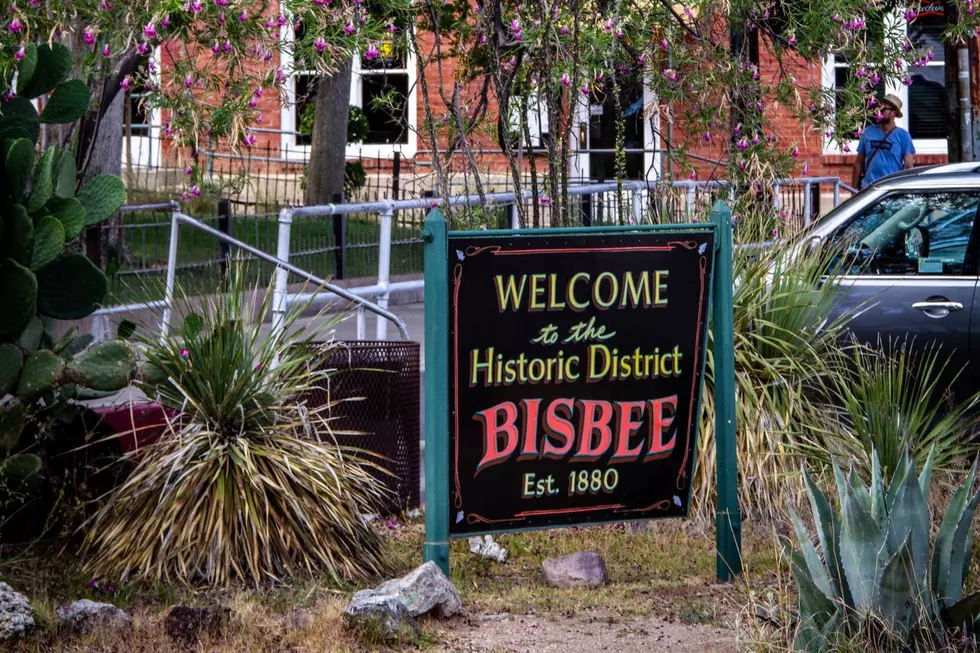
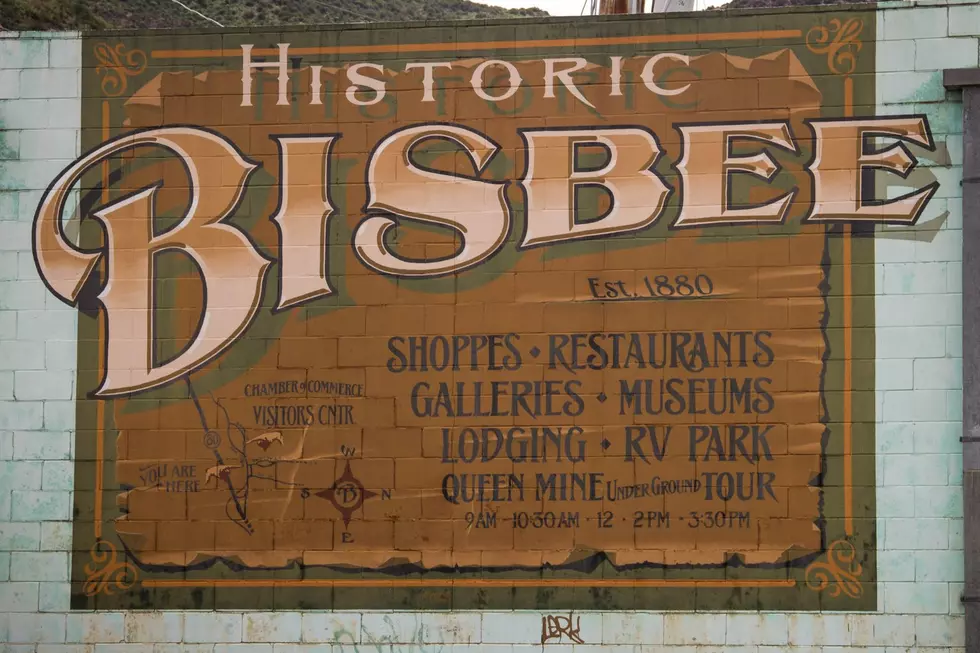
Bisbee, Arizona, is home to one of the most prosperous copper mines in the country. By 1917, copper prices had nearly doubled, making the mines more profitable than ever. However, growing frustration among workers, dangerous conditions, and unfair labor practices pushed the town to a breaking point. As miners began to organize, Bisbee became the site of one of the most controversial labor actions in American history.


War and Labor
By 1917, Bisbee's mines produced more than 25% of the nation's copper. With World War I underway, companies like Phelps Dodge, owned by Walter Douglas, operated vast underground networks supplying copper essential to the wartime economy.
The work was grueling. Hours were long, conditions were dangerous, and workers' complaints were often ignored. Cave-ins were frequent, the air was filled with silica dust, and miners saw little of the prosperity their labor created.
READ: Exploring The Haunted History Of Bisbee's Copper Queen Hotel

The Industrial Workers of the World
Labor tensions had been building for years, but the arrival of the Industrial Workers of the World (IWW), a union founded in 1905, gave miners the confidence to demand change.
In June of 1917, the IWW's Metal Mine Workers' Union No. 800 presented Bisbee's mining companies with a list of demands, including $6 daily wages, safer working conditions, and an end to blasting while miners were underground. By June 27, more than half of Bisbee's copper miners were on strike.
The mining companies condemned the strike as unpatriotic wartime sabotage. The conflict divided the town. Many residents supported the miners, while other civilians and business leaders viewed the IWW as a threat to economic stability and national loyalty.
RELATED: What Makes The Lavender Pit In Bisbee A Unique Attraction?
"Don't like it, leave."
The conflict between companies and workers reached its peak on July 12, 1917, when Walter Douglas enlisted Cochise County Sheriff Harry Wheeler. Wheeler and his deputies recruited local civilians, forming a posse of more than 2,000 armed men.
Aftermath
Many Civilians were injured or killed during the confrontation, and one worker was shot while being removed from his home. The situation was so severe that President Woodrow Wilson ordered a presidential hearing.
Although the deportation was deemed illegal, Wheeler, his deputies, and Walter Douglas faced no legal consequences. Federal troops eventually provided food, water, and protection for the deported workers, but few returned to Bisbee, and the IWW was effectively destroyed.
READ: Why Bisbee is Named Bisbee, and Why Its Namesake Hates It

The Phelps Dodge mining company continued operating, and no major labor unions appeared in the area until the 1940s. Today, the Bisbee Deportation remains a reminder of how fear, economic pressure, and mob mentality can override democratic norms.
CONTINUE READING: How Bisbee Became The Queen Of Copper Mines
Easily Mispronounced Names in Arizona
The Top 10 Hardest Things About Moving to Arizona
Gallery Credit: Christopher Cappiali
More From KWCD Country