
The San Rafael Valley Debate: Environmental Harm vs. Public Safety
Jaguars, Ocelots, and Pronghorn are some of Southern Arizona's most distinctive wildlife, and many rely on migration through the San Rafael Valley to hunt, scavenge, and mate.
When construction of the border wall began, many conservation groups worried that building through the valley would harm endangered species and disrupt local ecosystems.

The San Rafael Valley
The San Rafael Valley is 90,000 acres of untouched grasslands situated between the Patagonia Mountains, Huachuca Mountains, and Canelo Hills. It is positioned along the Santa Cruz River and is a part of the "Madrean Sky Island Region". The Sky Island Region is considered to be one of the most biodiverse inland regions in North America, according to the Arizona Game and Fish Department.

The valley features some of the last unobstructed prairie grasslands in the country, and acts as an important migratory route for wildlife traveling along the Santa Cruz River. Hundreds of plant species can be found in the San Rafael Valley, and it is considered an AZGFD Wildlife Area and an Important Bird Area (IBA).
Because the grasslands lack natural barriers, it is especially important for some of the area's traveling and grazing species. Endangered species like the Sonoran pronghorn, ocelot, and the American jaguar heavily rely on this corridor to find food, water, and genetically diverse mates. Due to the high concentration of unique and rare wildlife, the valley has been protected through federal conservation efforts for decades.
READ: Arizona’s Hidden Wildlife: Coatis, Ringtails & Elf Owls

Border Wall Construction
Construction of the border wall in southern Arizona began in 2025 when the U.S. Department of Homeland Security awarded a $309 million contract for the construction of a 27-mile-long barrier. Since the construction of the wall began, law enforcement agencies have begun reporting less criminal activity relating to the border.
Media outlets reported that over 200 high-speed chases were reported in 2023. Smuggling and dangerous driving tied to the border saw a steep decrease in 2025, following the construction of the border.
Border security has been a primary focus for lots of people, and many feel community safety is the most important concern right now. It is argued that the physical barrier provides necessary security and has already proven to be a deterrent. However, law enforcement isn't the only one experiencing a change since the installation of this new infrastructure.
READ: The Decline Of Jaguars In Arizona: A Growing Concern

Concern for the Environment
In February of 2026, U.S. Customs and Border Protection finished the construction of the first five miles of the border wall through the San Rafael Valley. Environmental and conservation groups quickly raised alarms, noting the 30-foot steel barrier cut straight through an important wildlife corridor.
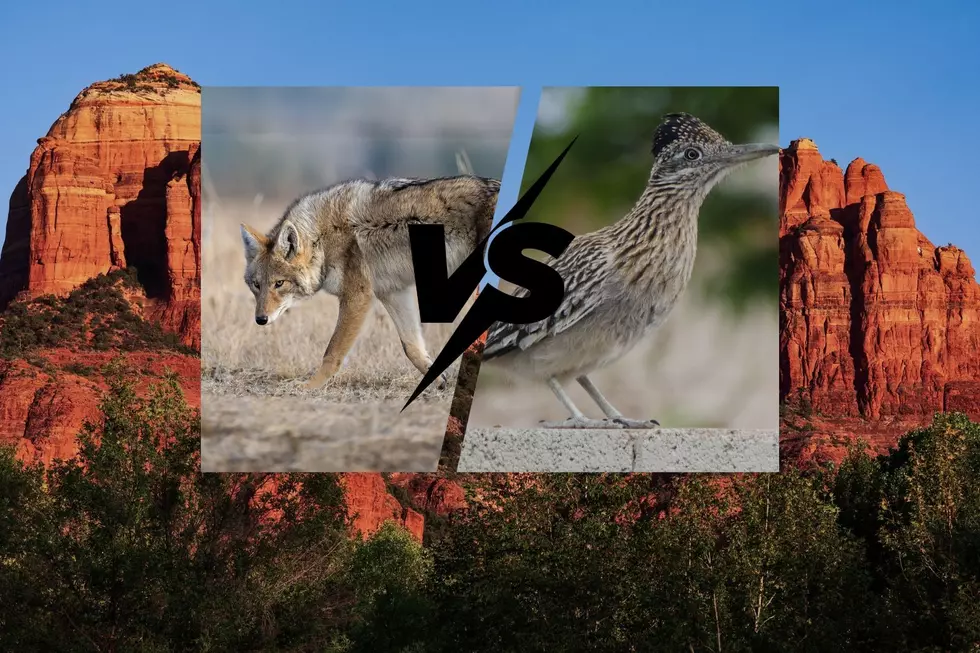
A study was done on how the wall impacted animal migration, and it was found that nearly all large mammal crossings stopped. The wall's design allowed for most small- to medium-sized animals, like coyotes and javelina, to pass through, but not anything larger. Black bears, deer, and a variety of other large animals had almost completely stopped migrating through that part of the valley.


It is argued that with this vital wildlife corridor cut off, animals in the region will be more susceptible to inbreeding, disease, and genetic issues. To fix this, structural changes to the wall have been debated, such as widening the spaces between the pillars to allow larger animals to squeeze through more easily.
The concern is that anything big enough for a bear or jaguar will likely be big enough for a person too. Because the two viewpoints clash on the design of the barrier, many federal lawsuits have been filed.
READ: Border Wall Construction Threatens Old-growth Trees In Arizona

Lawsuits and Protests
Over the past few months, multiple lawsuits have been filed against the immediate ongoing construction of the wall. In March of 2026, the federal government won a lawsuit against the Tucson-based Center for Biological Diversity, who argued the wall construction went against the Endangered Species Act. Construction crews were allowed to continue construction.
A couple of lawsuits followed. In June, the Tohono O'odham Nation, alongside other native tribes, filed a federal lawsuit to stop construction crews from using critical resources. Alongside these lawsuits, conflict with protesters brought the argument straight to the construction site.
Protesters set up a days-long "Tree Sitting" event to protect against the demolition of a centuries-old cottonwood tree that was set to be cut down to further the construction of the wall. Eventually, tensions escalated, and multiple protesters were arrested, clearing the way for crews to continue construction.

The debate is still ongoing, and no clear compromise has been found. The question remains: what do you think is most important right now? Prioritizing the immediate safety of our community, or protecting the long-term health of our environment?
CONTINUE READING: Border Wall Construction Threatens Old-growth Trees In Arizona
Extremely Rare or Impossible to See Animals in Arizona
Gallery Credit: Tim Gray
Sierra Vista's Huachuca Mountains
Gallery Credit: Val Davidson/TSM
More From KWCD Country