Apache Coyote Stories Explain Fire, Death And Human Nature
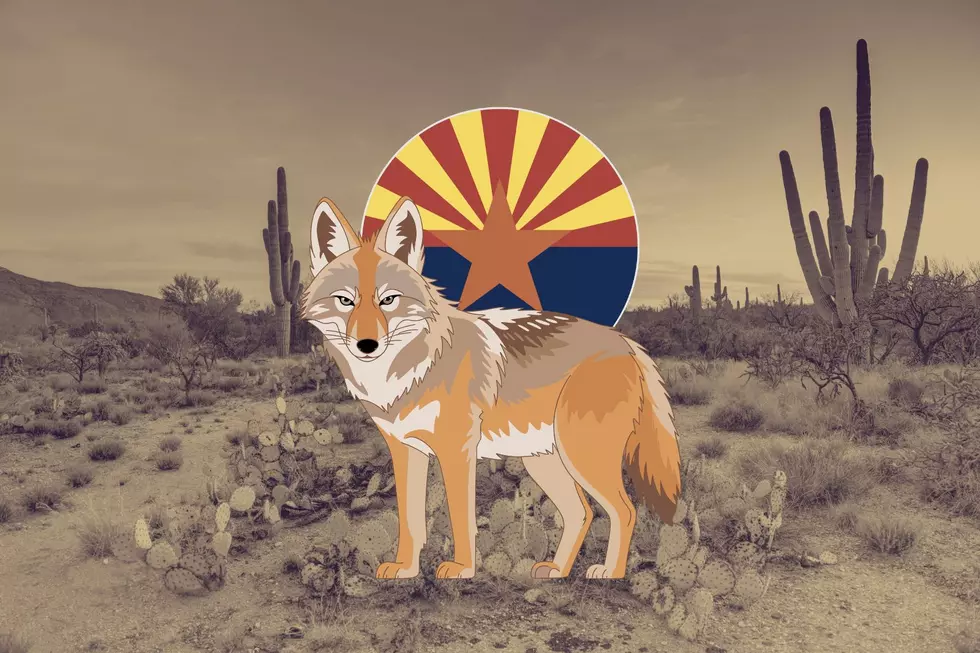
Whenever I think of a coyote, I picture the old cartoon where he endlessly chases the roadrunner and never catches him. But in Arizona, many Native cultures see the coyote as far more than a slapstick character. In Arizona Apache folklore, he’s one of the most important figures in storytelling, shaping how people understand the world, human behavior, and the desert itself.


The Stolen Fire
In Apache tradition, there’s a tale of Coyote stealing fire from the Fire Keepers. According to Old Folktales, he faked his death, snatched a burning stick, and sprinted across the desert, passing the flame to other animals until people finally received it.
I’ll sneak up to the fire. When the Fire Keepers chase me, I’ll pass the fire like a relay. We must be swift and brave. (oldfolktales.com)
In this tale, Coyote represents resourcefulness, rebellion, and necessary mischief. It’s significant because it explains how warmth, cooking, and survival entered human life, all thanks to a trickster who broke the rules to help others.
RELATED: Eyewitness Accounts Of The Mogollon Monster In Arizona

The Coyote and the First Death
In Apache culture, the raven was the initial symbol for death. However, the raven did not want death in this world. So he said he would throw a stick in the water. If the stick sank, there would be death; if it floated, there would be no death.
The coyote came along and said he would throw a rock in the water. If it sunk there would be death; if it floated, there would not be. Both the coyote and the raven threw their items in the water. The stick floated, the rock sank, and death was introduced. The coyote ran away out of fear for what he had caused.
The Coyote and the First Death serves as an explanation as to why death is permanent. It frames the coyote as the force whose impulsive choices shape human existence. It’s a reminder that one careless act can change the world forever, leaving a mark that can’t be undone
READ: How Atlas Comics Turned Wyatt Earp Into A Frontier Hero

The Coyote and the Turkey
In Apache folklore, the coyote is always hungry, for food and knowledge. He was looking for something to eat when he stumbled upon a ball of feathers in the forest. He began taunting the turkey, so it took off flying, and he began to chase.
Eventually, the turkey came down as it was tired. However, it landed near a body of water. The coyote sees his reflection in the pool of water and mistakes it for another coyote who wants his food. He growls, threatens, and finally leaps at the “other” coyote, crashing into the water and losing the turkey. Soaked and embarrassed, he realizes the truth: he was fighting himself the whole time.
In this story, the coyote represents jealousy, self‑deception, and the danger of acting without thinking. The lesson is simple: sometimes the enemy you’re chasing is your own reflection. Its significance comes from how it warns people against envy and impulsive behavior, reminding them that not every threat is real.

The cartoon coyote we all grew up on may be stuck in an endless chase, but the Apache coyote is something else entirely. There are dozens of stories about him, and he serves as a mirror, a warning, and a teacher. Through humor, chaos, and survival, he reflects the complexity of human behavior and serves as a lesson to the Apache people.
CONTINUE READING: Arizona Dust Devils And The Spiritual Beliefs Behind Them
15 of the Best Places to Discover History in Arizona
Gallery Credit: Val Davidson
The 10 Most Notorious People in Arizona History
Gallery Credit: Chris
More From KWCD Country