
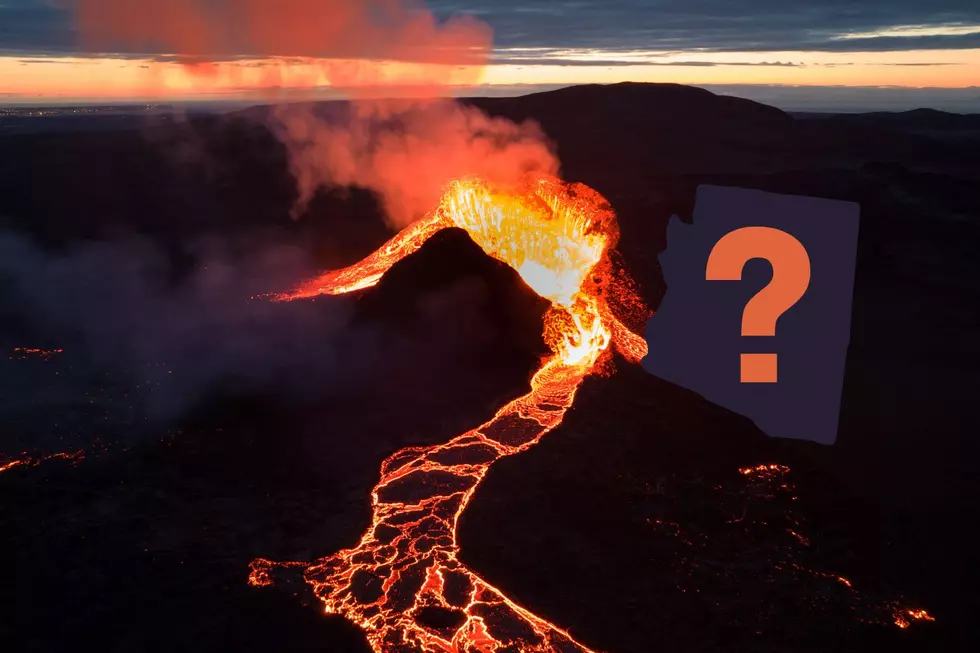
Arizona Has Over 1,000 Extinct Volcanoes, and a Few Aren’t Done Yet
Arizona isn't a place you would expect to experience Many natural disasters, aside from flash floods, wildfires, and the occasional dust storm. Despite this, evidence suggest Arizona was once home to thousands of volcanos and actually has a couple of active ones to this day.

Extinct Volcanos
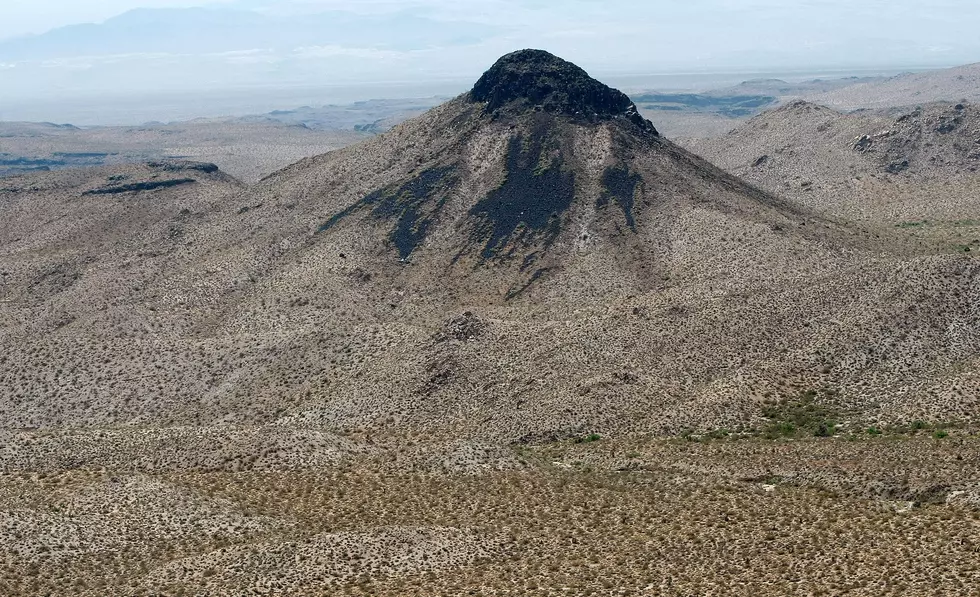
Arizona is home to over 1,000 extinct volcanos, with the oldest volcanic rocks in the area being dated back 1.8 billion years. Most of these volcanos are clustered in the San Francisco Volcanic Field near Flagstaff. These ancient cones and eroded peaks, including the towering remnants of the San Francisco Mountain, formed millions of years ago and now shape the region’s dramatic landscape.
According to the University of Arizona, one of the youngest volcanic fields, by geological standards, is found about 40 miles southwest of Ajo, along the Arizona-Mexican border. Their long‑dormant lava flows, cinder cones, and calderas offer a vivid geological record of Arizona’s volcanic past and continue to attract researchers and hikers alike.
READ: What Makes The Rain Scent Unique In Arizona's Desert?
Active Volcanos
While there are no volcanos in Arizona actively at risk of erupting, there are a few that could potentially become active in the future. Sunset Crater, though dormant, erupted less than 1,000 years ago, which is considered geologically recent. In 1930, the Sunset Crater was made a National Monument.
The Uinkaret Volcanic Field near the Grand Canyon contains vents that could erupt again, based on past activity. These fields remain under scientific observation, and their monogenetic nature means future eruptions would likely be small but still capable of reshaping local terrain.


Geological Impact
Arizona’s volcanoes have profoundly influenced the state’s ecosystems, water distribution, and human settlement patterns. Lava flows redirected ancient waterways, while nutrient‑rich volcanic soils support forests across the Colorado Plateau.
The University of Arizona frequently studies these volcanic landscapes to better understand regional climate history and natural hazards. Volcanic features also shape tourism, drawing visitors to sites like Sunset Crater and the lava‑dammed canyons of the Uinkaret region.
FUN FACT: Lava once ran through the Grand Canyon, creating natural dams that were eventually eroded by the Colorado River.
RELATED:3 Things You Might Not Know About The Grand Canyon.

Arizona’s volcanic story is far from finished. Its extinct peaks, dormant cones, and potentially active fields reveal a landscape shaped by lava and time. Continued research and monitoring help us understand how these forces influence ecosystems, communities, and future hazards. Arizona’s volcanoes remain a powerful reminder of the state’s dynamic geological heritage, and how drastically things can change over time.
CONTINUE READING: Why The Petrified Forest Is A Gem Of Arizona’s History
Best Day Trips to Take in Arizona
Gallery Credit: Christopher Cappiali/Canva
What to Pack When Exploring Arizona
More From KWCD Country


