

The Original London Bridge is In Arizona?
Originally constructed in 1830, the London Bridge was sinking into the River Thames by the late 1960s. After over a century of use, it was time to rebuild. But where did the bridge go after it was dismantled? The answer is simple, Lake Havasu, Arizona!.

Lake Havasu
Lake Havasu in the late 1960s was more of a dream than a city. Entrepreneur Robert McCulloch was in the process of turning this desert development into a town, but he felt the town still needed something to draw people in.
At the same time, London was preparing to replace its aging 1831 bridge, which had begun to sink due to age and modern traffic. In 1968, the London Bridge was put up for auction, and McCulloch bought it for 2.4 million dollars.
READ: What Ancient Cultures Thrived In The Grand Canyon's Depths?

30,000 tons of stone
Getting the bridge across the ocean and to Arizona was not an easy task. The total weight of the bridge when it was shipped was 30,000 tons. Upon the dismantling of the bridge, each piece was labeled and carefully packaged brick by brick.
The bricks were then transported through the Panama Canal on a boat, and then transferred to trucks to be driven from Long Beach, California, to Lake Havasu, Arizona.
Engineers decided the bridge needed some help to ensure it could support modern traffic, so a hollow steel-reinforced core was constructed. Then 10,000 tons of the original granite were placed on top. Finally, in 1971, the bridge was ready to be shown to the public.
READ: What You Didn't Know About Tombstone's Old West History
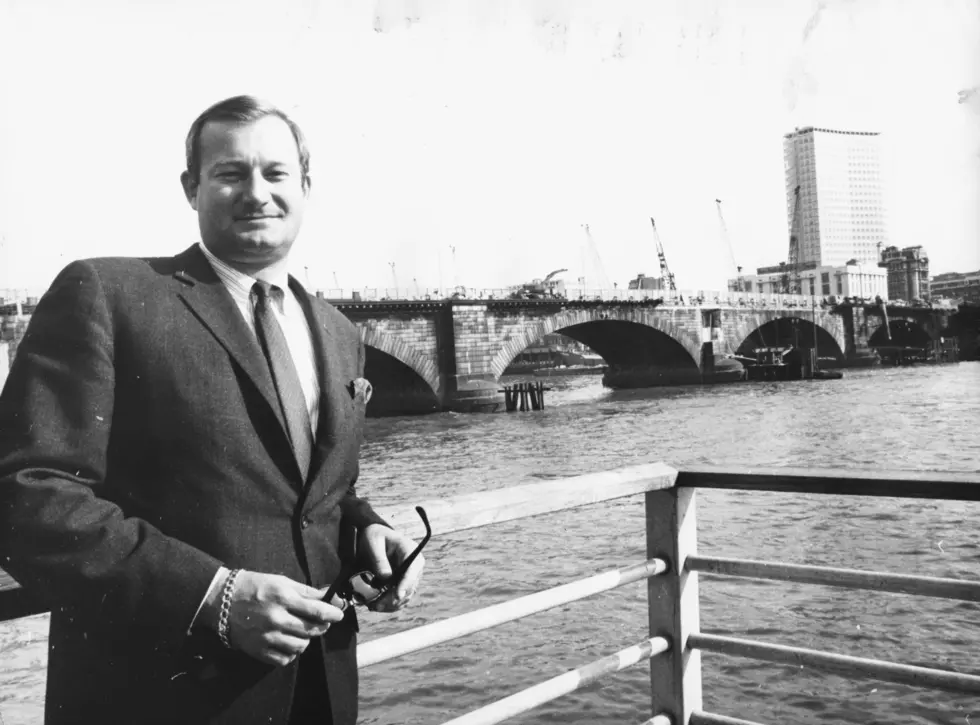
Impact on Lake Havasu.
Many news reporters thought that the 7 million dollars McCulloch spent on bringing this bridge over and reconstructing it was insane, causing many to call it "McCulloch’s Folly". However, McCulloch and his team had the last laugh.
Lake Havasu, before the construction of the bridge, had a population of only a few hundred. By 1974, the population had shot up to over 10,000. In 1975, the Lake Havasu Chamber of Commerce reported the bridge had attracted over 2 million visitors that year.

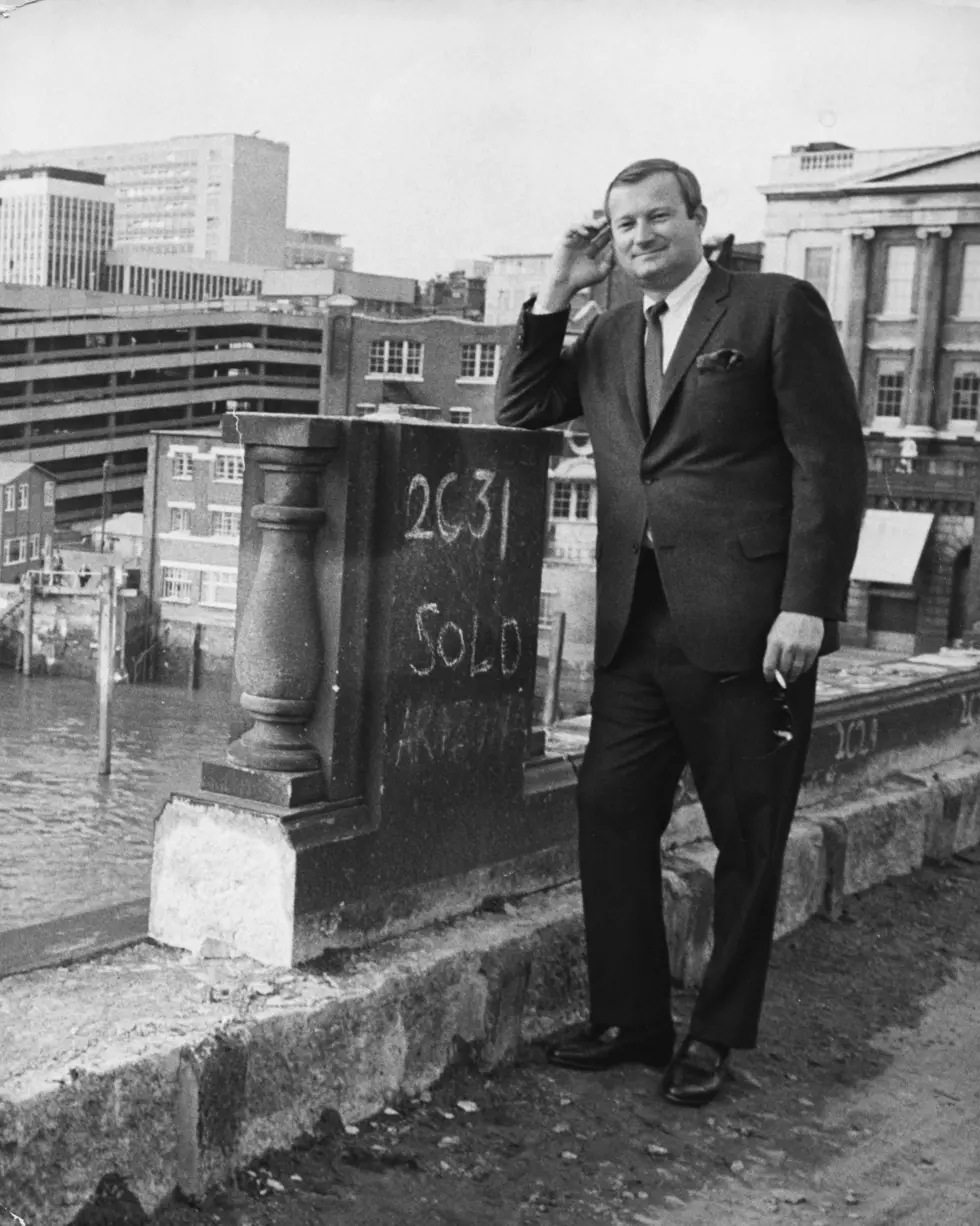
Today, you can visit the London Bridge in Lake Havasu, Arizona. While it isn't the most impressive bridge from London, the story of how it got to Arizona is. The bridge had survived both World Wars, the London Blitz, and a trip across the Atlantic. Every year, thousands of visitors come to Lake Havasu to see the bridge, a reminder that sometimes even the craziest ideas can reshape a community.
CONTINUE READING: History of Sierra Vista
Best Day Trips to Take in Arizona
Gallery Credit: Christopher Cappiali/Canva
35 Interesting Arizona Facts You May or May Not Know
Gallery Credit: Tim Gray
More From KWCD Country


