Desert Heat And Dry Air Shorten Your Tire Lifespan Significantly
Arizona's heat may have a larger impact on the longevity of your tires then you might think. Studies show that tires in Arizona go bad 5-15% faster than tires in other states. Pavement heats up fast, air pressure changes rapidly, and dry rot is more common, making tire health something every Arizonian should be thinking about.

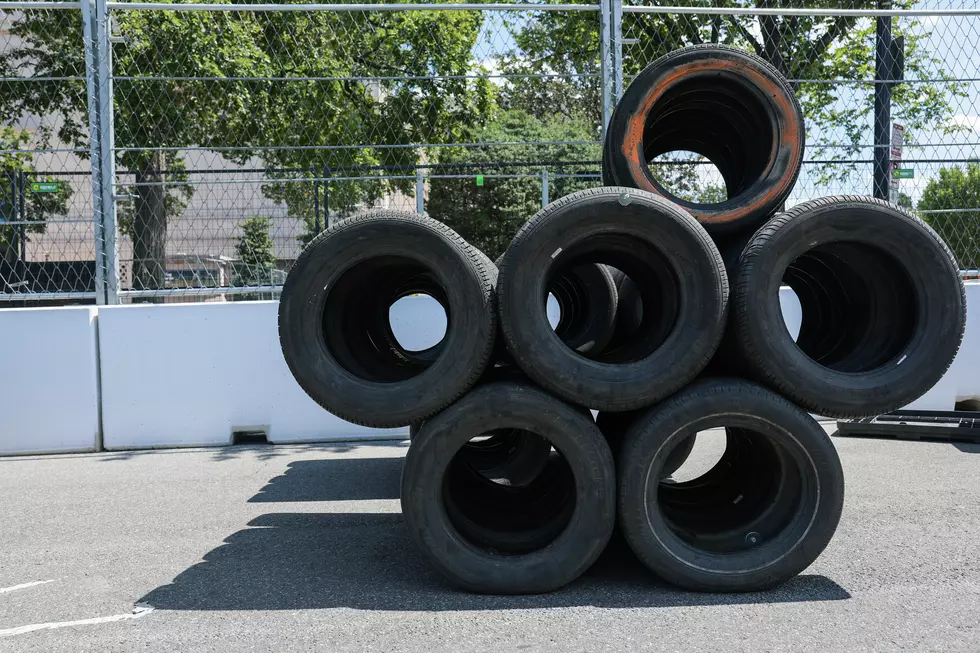
Asphalt Temperature
Asphalt absorbs heat at amazing rates. When the temperature is 90 degrees, asphalt temperatures can easily reach above 110 degrees. On days where the summer heat gets above 105, that asphalt can be anywhere from 160-180 degrees.
While your tires aren't going to melt from sitting on the hot pavement, heat is a primary reason for rubber breaking down. Tires begin to deteriorate slightly at around 180 degrees, meaning driving on hot pavement everyday isn't going to help your tires last, and might be worsening other factors that contribute to tire degradation.
READ: How Arizona's Monsoon Season Works And Why It Matters

Air fluctuation
Tire pressure rises roughly 1psi for every 10-degree change in tire air temperature. In Arizona, where afternoons are much hotter than the mornings, your tires expand and contract more than usual. These constant pressure changes can cause wear on the internal lining of the tire, and lead to them going bad much faster.
RELATED: Cochise County's Deadliest Weather Risks Aren't Tornadoes

Dry Rot
We all know the saying "it's a dry heat." It is one of Arizona's mottos. However, the lack of humidity in the air is tough on rubber. Without moisture, tires loose elasticity faster, leading to surface cracking known as dry rot. In Arizona, your tires can dry rot while still having very good treading. The lack of humidity mixed with the heat can cause tires to break and crack under normal use. Visual inspections and tire rotations are very important in Arizona.

Arizona's climate is uniquely harsh on tires. In some states, a brand-new tire may last you 6 years, while that same tire may only last 4 years in Arizona. Regular Inspections, proper air pressure, and frequent rotation and replacement schedules may help keep you safer on the states scorching roads.
CONTINUE READING: How Hot Do Parked Cars Get In Arizona's Summer Heat
"Scary" Critters Found in Arizona Homes! You Won't Believe the Last One!
Gallery Credit: Val Davidson
The Top 17 Scariest Things About Living in Arizona
Gallery Credit: Val Davidson
More From KWCD Country