
Pyramids in Arizona? The Unusual Tale of Hunt’s Tomb.
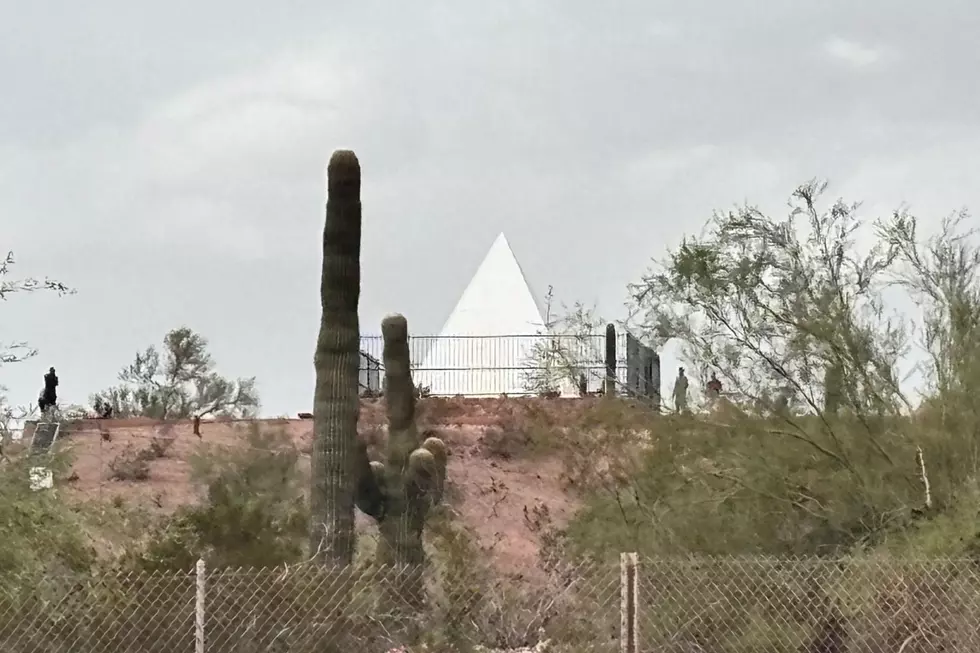
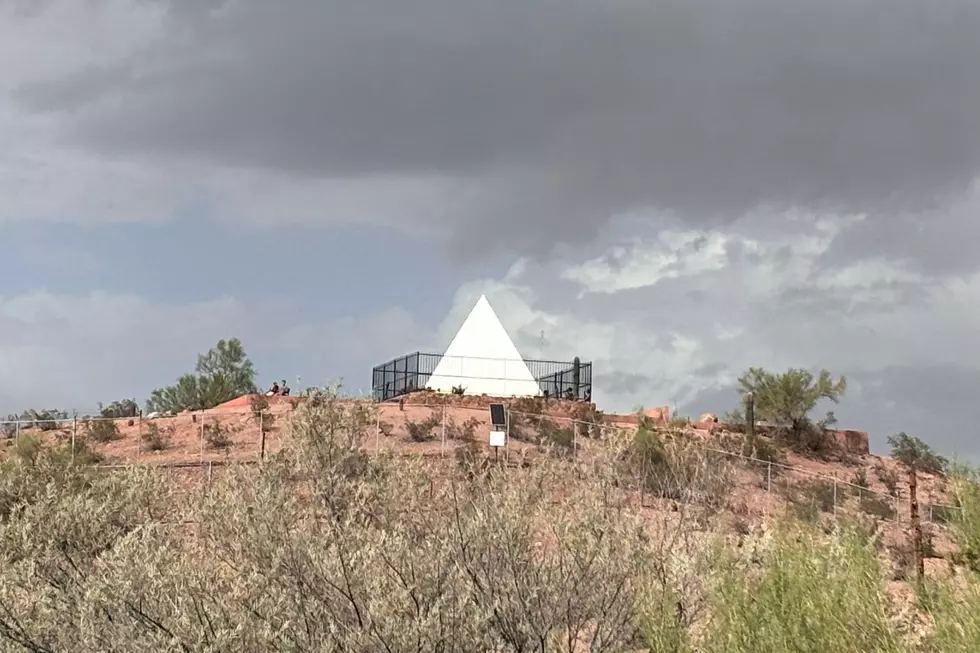
Over the weekend, I took a trip to Phoenix. While up there, I stumbled across one of the state's strangest landmarks. Standing among the red rocks of Papago Park was a giant white pyramid that seemed completely out of place. As it turns out, the mysterious structure marks the grave of Arizona's first governor, George Hunt.

Who Was George Hunt?
George Wiley Paul Hunt was Arizona's first state governor. He was born in 1859 and initially moved to Arizona in search of gold. However, instead of staking a claim at a mine, he got into politics. He was elected Globe's first mayor in 1904 and served for many years on the Arizona Territorial Council and in the Arizona Territorial Legislature.
In 1910, Hunt was a part of the Arizona Constitutional Convention, and in 1911, he was elected state governor. George Hunt served 7 terms as governor before passing away in 1934; he was buried at the Papago Park Cemetery, alongside his wife Helen.
READ: How Doc Holliday Became A Legend In The American West
George and Helen's Tomb
George Hunt commissioned a pyramid to be made for his wife, Helen, who had passed away from Appendicitis in 1931. He had been inspired by the ancient pyramids he had seen during his travels, and he wanted a monument that would endure for generations.
Construction on the monument was completed the following year, creating an unusual family mausoleum overlooking Papago Park. Helen was the first person entombed there, and when Hunt died in 1934, he was laid to rest beside her. Other members of the family, including the Hunts' daughter, Virginia, and several of Helen's relatives, were also buried within the pyramid.
RELATED: Who Was Big Nose Kate And Why Is She Famous?
Hunt's Legacy and Other Arizona Pyramids
Many people know of Governor George Hunt for his unusual resting place, but his true legacy lies in the shaping of early Arizona. As the state's first governor, he guided Arizona through its infancy by advocating for critical reforms, including women’s suffrage, workers' compensation, public education, and old-age pensions.
Although Hunt's Tomb is Arizona's most famous pyramid, it is not the state's only pyramid-shaped monument. Arizona is also home to the Hi Jolly Monument in Quartzsite, a pyramid-shaped memorial dedicated to Hadji Ali, better known as Hi Jolly. Hi Jolly was one of the camel drivers brought to the American Southwest during the U.S. Army's Camel Corps experiment. When he passed away, a pyramid was built over his grave.
Another notable Pyramid Tomb in Arizona is the pyramid tomb of Charles Debrille Poston, often called the "Father of Arizona." His monument can be found near Florence. Poston built this pyramid in the 1870's as a religious symbol. In 1925, on what would've been his 100th birthday, his remains were moved inside the pyramid.
READ MORE ABOUT THE CAMEL CORPS: Arizona Camel Corps: The Army’s Desert Experiment

Governor Hunt's Tomb is recognized as a historic landmark and was added to the National Register of Historic Places in 2008, cementing its place as an important piece of Arizona history.
Today, visitors can enjoy a short hike to his monument, take in panoramic views of Phoenix, and learn more about the man who helped guide Arizona through its earliest years as a state. Hunt wanted a tomb that would endure for generations, and judging by the number of people who still stop to look at it in awe, he got his wish.
CONTINUE READING: Dr. Goodfellow, the surgeon who worked out of a tombstone saloon.
The 10 Most Notorious People in Arizona History
Gallery Credit: Chris
The Internet's Top-10 Travel Locations in Arizona
Gallery Credit: Chris
More From KWCD Country