How the San Pedro River Changes When Fall Arrives!
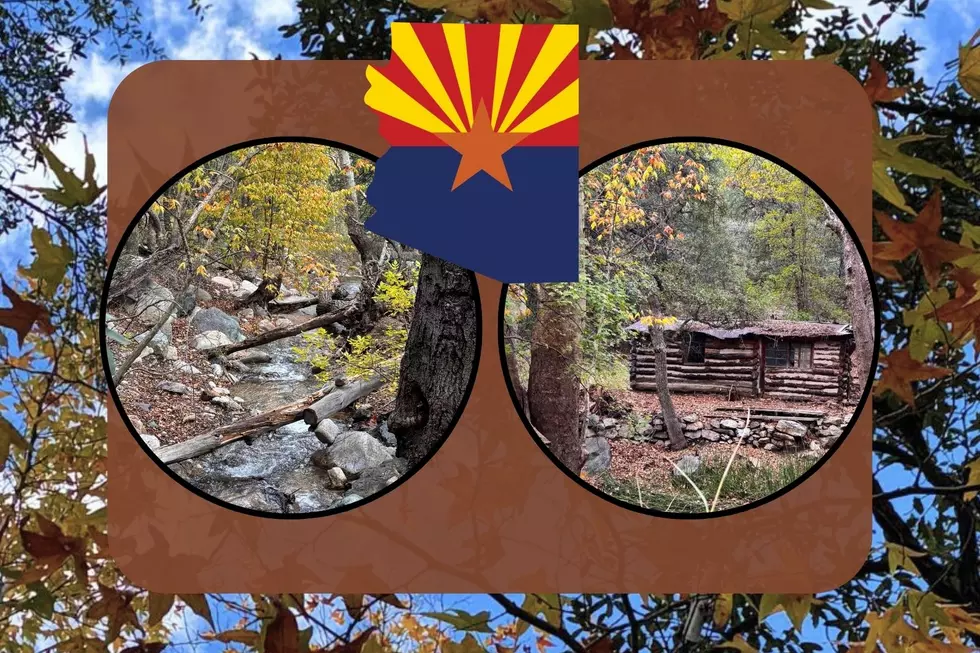
As fall arrives in Cochise County, the San Pedro River experiences a beautiful change of atmosphere. Leaves fall gracefully from the trees as the river quietly flows nearby. Winds drift across the grass, and birds call in the distance. As temperatures slowly drop, let's look at how fall has changed the San Pedro River.
LEARN ABOUT THE RIVER: Why is the San Pedro River so Important?

Wildlife
When the seasons begin changing, so do the animals you might commonly see along the river. Insects and animals you might've spotted in the fall, such as reptiles, monarch butterflies, and hummingbirds, are becoming dormant or finding their way south as winter moves in.
In their place, dozens of other species find their home along the river. During late fall and early winter, over 150 bird species can be found in the region. In fact, according to the City of Sierra Vista's Official Website, the region's Christmas Bird Count regularly ranks among the highest for inland totals in the U.S.


Birds aren’t the only creatures you can spot this time of year. Javelina, mule deer, cottontail rabbits, and many other mammals are common in Southern Arizona throughout late fall and winter. No matter how much the weather changes, the river is always active.
RELATED: Did You Know Beavers Live Along the San Pedro River?

Scenery
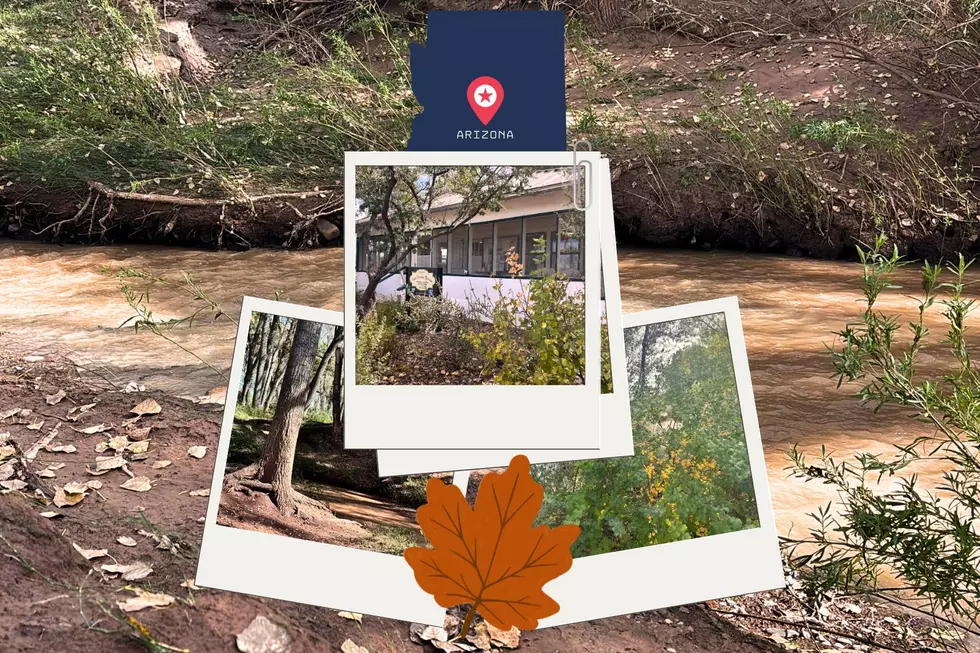
In the fall, the visual landscape of the San Pedro River turns into something magical. Floodwaters from late monsoon rains and winter snows cause the river to have a steady flow, which provides much-needed water to the nearby foliage.
I visited the San Pedro House recently and was greeted with piles of colorful leaves, shed by the massive cottonwoods overhead. With the surrounding brush slowly becoming bare, you can easily see the sky from the trails near the river. With autumn winds rolling in, visiting the river easily becomes a relaxing day trip in nature.
NEARBY THE RIVER: Murray Springs Clovis Site and Ancient Mammoth Hunters

Weather
Arizona is not known for its dramatic cold fronts. On average, annual temperatures recorded near the river show that during late fall and early winter, temperatures tend to stay around 50 to 60 degrees during the day.
However, at night it can sometimes fall below 30 degrees, leaving frost on the ground near the San Pedro and creating potential hazards for visitors. While it is very uncommon for snow to land on the riverbed, seasonal storms bring fresh waves of runoff and icy winds to the area.
RELATED: What Makes the San Pedro River's Weather Different?

With the temperature finally below 80, now is the perfect time to enjoy a peaceful walk along the San Pedro River. If you enjoy visiting the river, you might be happy to know that as Autumn creeps by, snakes will slowly become less common, and you won't have to fret about mosquitoes and other insects bugging you.
CONTINUE READING: Shrimp and Crayfish in the San Pedro River
The 7 Best Places to See Fall Colors in Arizona
Gallery Credit: Val Davidson
10 Things Arizona Can't Stand About Autumn
Gallery Credit: Chris
More From KWCD Country