
The History And Legacy Of Chiricahua National Monument
Arizona is full of natural wonders, from the sprawling Grand Canyon to the awe-inspiring Petrified Forest. One lesser known geological feat in the Grand Canyon State is Chiricahua National Monument, nestled in the southeast of the state.

There's nothing like it anywhere else in the world, and consistently raises questions of its history and geological formation. So let's dive into one of America's most unique National Monuments.
How Was Chiricahua National Monument Formed?
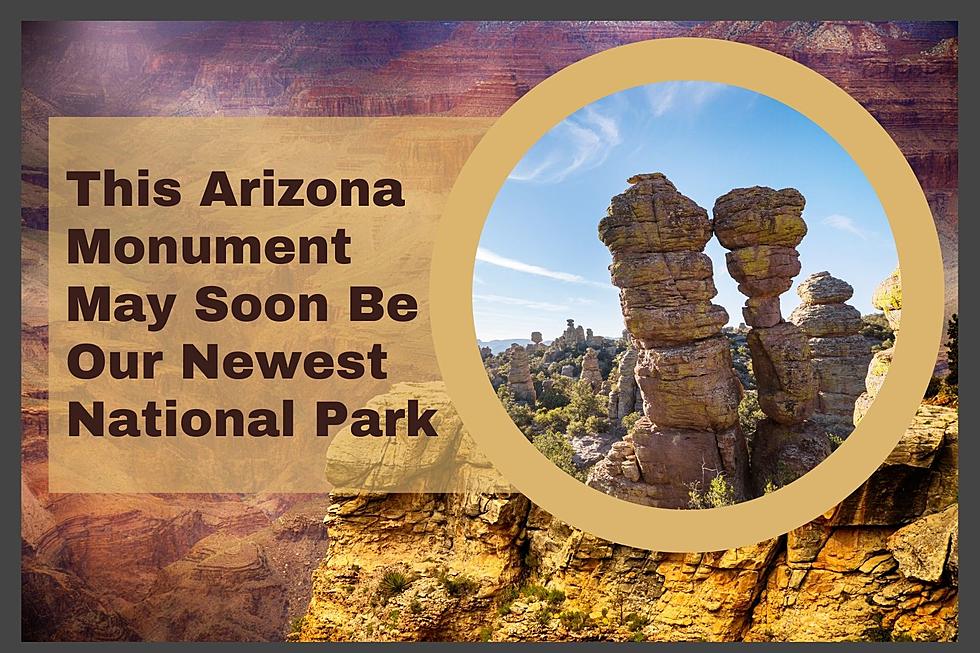
Chiricahua's most notable feature is the massive rock pinnacles, rising hundreds of feet in the air. Stepping into the park, it almost seems alien, but these formations are very much an earth made construct.

Around 27 million years ago, a volcanic eruption in the area spewed molten rock and ash across the Wilcox area. This eventually settled and eroded over time, creating the magnificent spires and pillars that make Chiricahua what it is today.
Need more Trip Ideas? Here's The Best Places to Spot Fall Colors in Arizona

Who Settled Chiricahua First?
The earliest known settlers at Chiricahua were the Chiricahua Apache. These were Athabaskan people, meaning they originated from the Northwest of North America before being pushed south by warring tribes. They arrived in the Southwest somewhere between 1400 and 1500, and are separate from the Apache bands we know from Arizona, New Mexico, and northern Mexico.

The Chiricahua Apaches did not refer to themselves as such, simply calling themselves "nde", meaning "The People". The population slowly dwindled in the late 19th century until 1886 when the remainder surrendered to General Nelson Miles, and were sent to Fort Augustine, Florida, drawing their time in Arizona to an end.
Top 10 National Parks in Arizona
The Internet's Top-10 Travel Locations in Arizona
Gallery Credit: Chris
Best Day Trips to Take in Arizona
Gallery Credit: Christopher Cappiali/Canva
More From KWCD Country